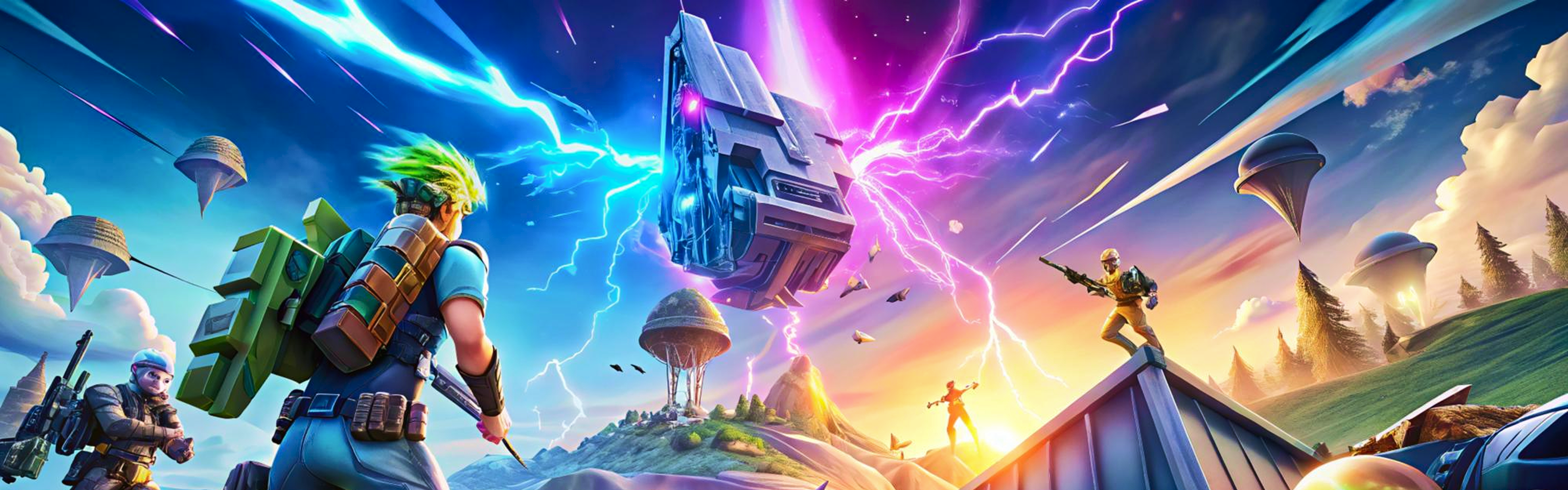
Browser games have come a long way since the early days of the internet. What started as simple text-based adventures has transformed into immersive gaming experiences that rival console and PC games. Let's explore this remarkable evolution.
The Early Days: Text Adventures and Java Applets
In the mid-1990s, browser games were primitive affairs. Text-based adventures like MUDs (Multi-User Dungeons) were among the first online gaming experiences. Java applets soon followed, bringing basic graphics to web browsers, though they were often slow and required lengthy loading times.
The Flash Era (2000-2017)
Adobe Flash revolutionized browser gaming. Suddenly, developers could create rich, animated games with sound and interactivity that ran smoothly in browsers. Websites like Newgrounds, Kongregate, and Miniclip became gaming destinations for millions. Iconic Flash games like "Happy Wheels," "Bloons Tower Defense," and countless others defined a generation of gamers.
What Made Flash Special
- Easy development tools that empowered indie creators
- Vector graphics that looked good at any resolution
- Rich multimedia capabilities
- Widespread browser support
The Rise of HTML5
When Flash began its decline due to security concerns and mobile incompatibility, HTML5 emerged as the successor. Coupled with WebGL for 3D graphics and the Web Audio API for sound, HTML5 opened new possibilities for browser gaming.
HTML5 Advantages
- Native browser support without plugins
- Mobile-friendly touch controls
- Better performance and security
- Access to device features like accelerometers
Modern Browser Games (2020-Present)
Today's browser games are technological marvels. Thanks to WebGL 2.0, WebAssembly, and powerful JavaScript engines, developers can create games with:
- 3D graphics rivaling early console generations
- Multiplayer capabilities with WebSockets
- Offline play through Service Workers
- Seamless cross-platform play
The Future of Browser Gaming
With technologies like WebGPU on the horizon, browser games will continue to push boundaries. Cloud gaming services are also blurring the lines between native and browser gaming, allowing AAA titles to stream directly to web browsers.
Why Browser Games Still Matter
Despite the rise of mobile apps and game launchers, browser games remain relevant because of their accessibility. No downloads, no installations, no updates to wait for - just click and play. This instant gratification, combined with increasingly sophisticated gameplay, ensures browser games will continue to thrive.
Conclusion
From humble beginnings to the cutting-edge experiences of today, browser games have proven remarkably resilient and innovative. As technology continues to advance, we can only imagine what the next chapter of browser gaming will bring.
Tags
About Sarah Tech
Tech journalist specializing in gaming history and emerging technologies.